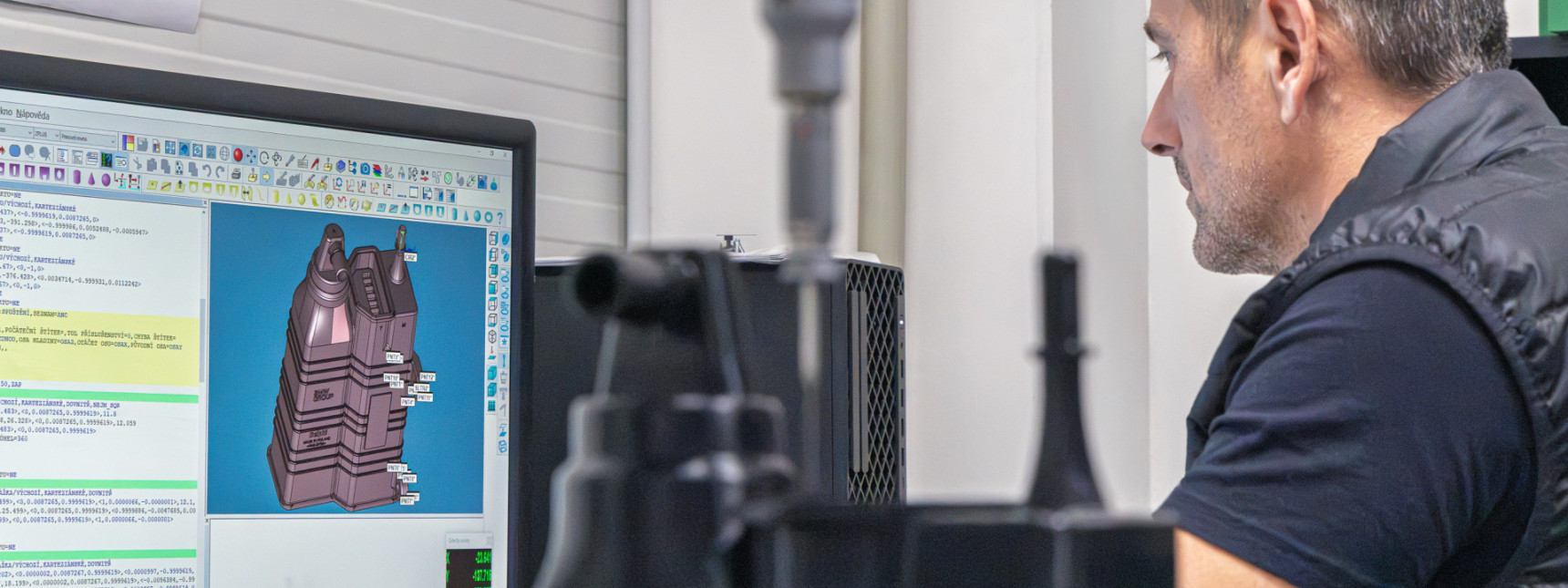
A well-designed part saves a great deal of money and time on the mould. We'll show you the three most common mistakes that make production needlessly more expensive and drawn-out.
Draft angles are a slight taper of the walls that allows the part to come out of the mould smoothly. When they are missing or too small, the part sticks in the mould, is harder to eject and ends up with marks on its surface. The fix often means modifying the finished mould, which costs both time and money. Yet all it takes is allowing for draft angles at the part design stage.
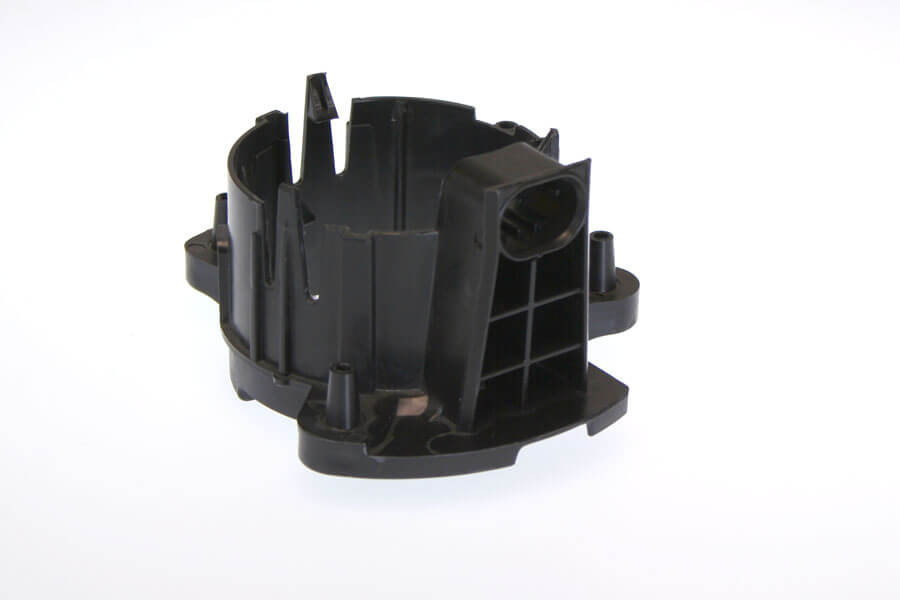
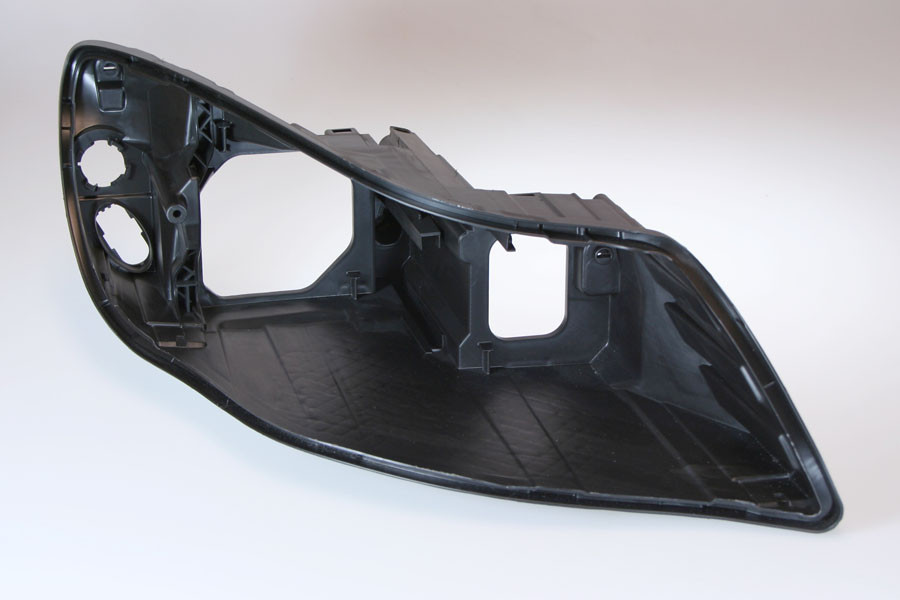
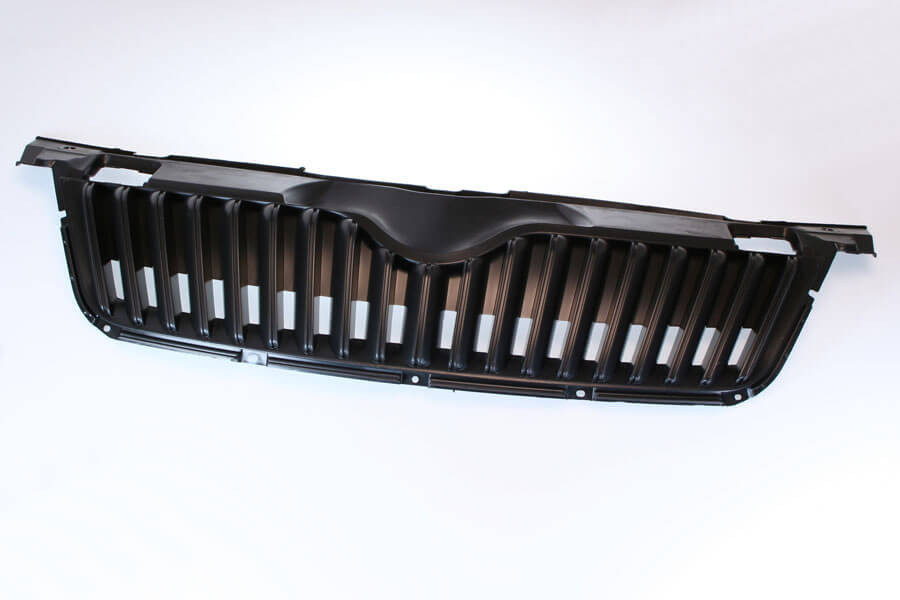
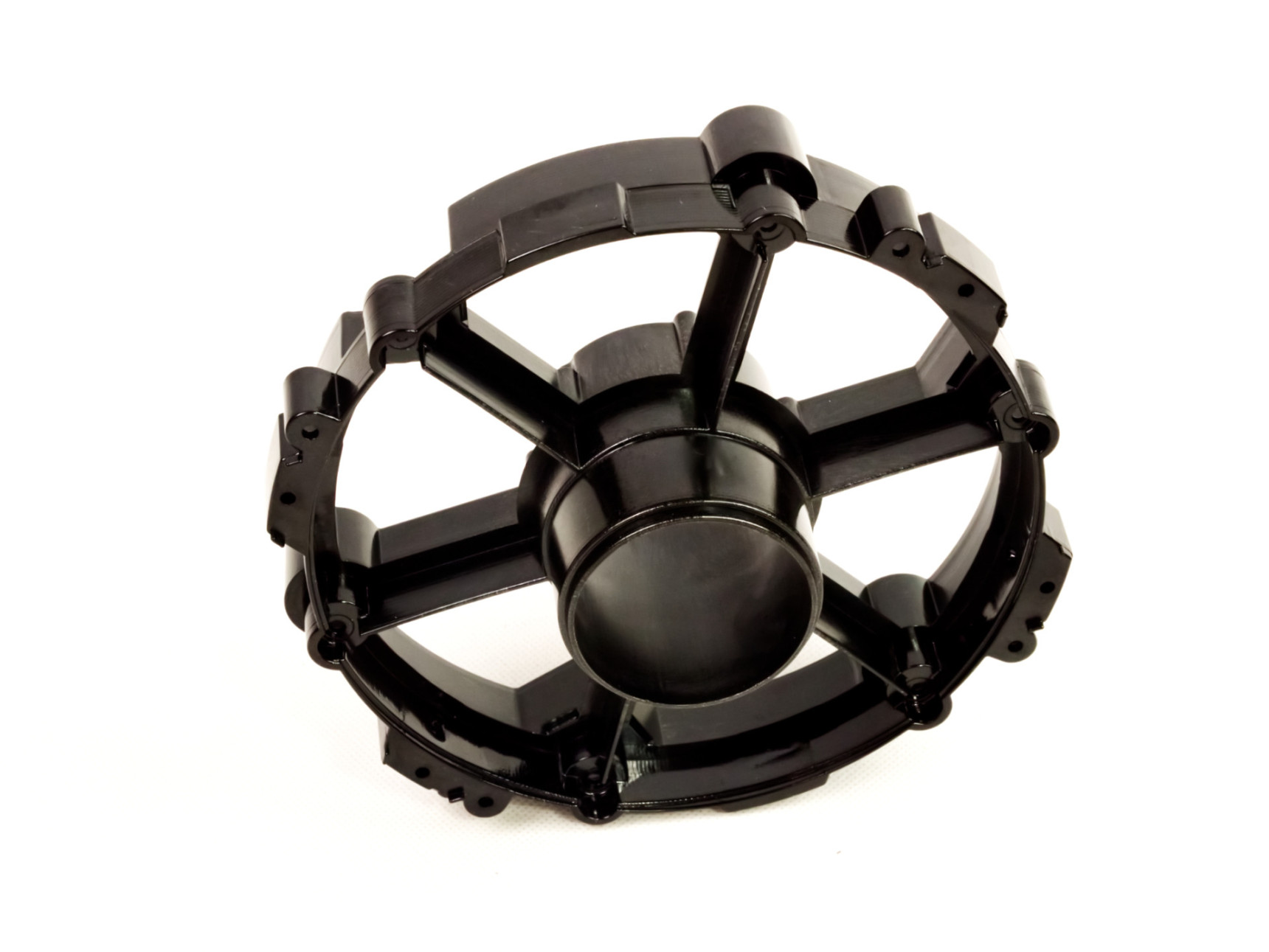


The walls of a part should have the same thickness wherever possible. When thick and thin sections alternate, the plastic cools unevenly, resulting in sink marks, warping or internal stress. The result is an unsightly and dimensionally unstable part that has to be fixed by modifying the mould. Even wall thickness prevents this and also shortens the production cycle.
Radii are the rounded transitions where walls meet. Sharp corners in their place impair material flow, create stress and tend to be a weak point of the part. Too large a radius, on the other hand, accumulates material and causes sink marks. A correctly chosen radius therefore makes mould filling and ejection easier and extends the service life of the part.